Fidex Wallet
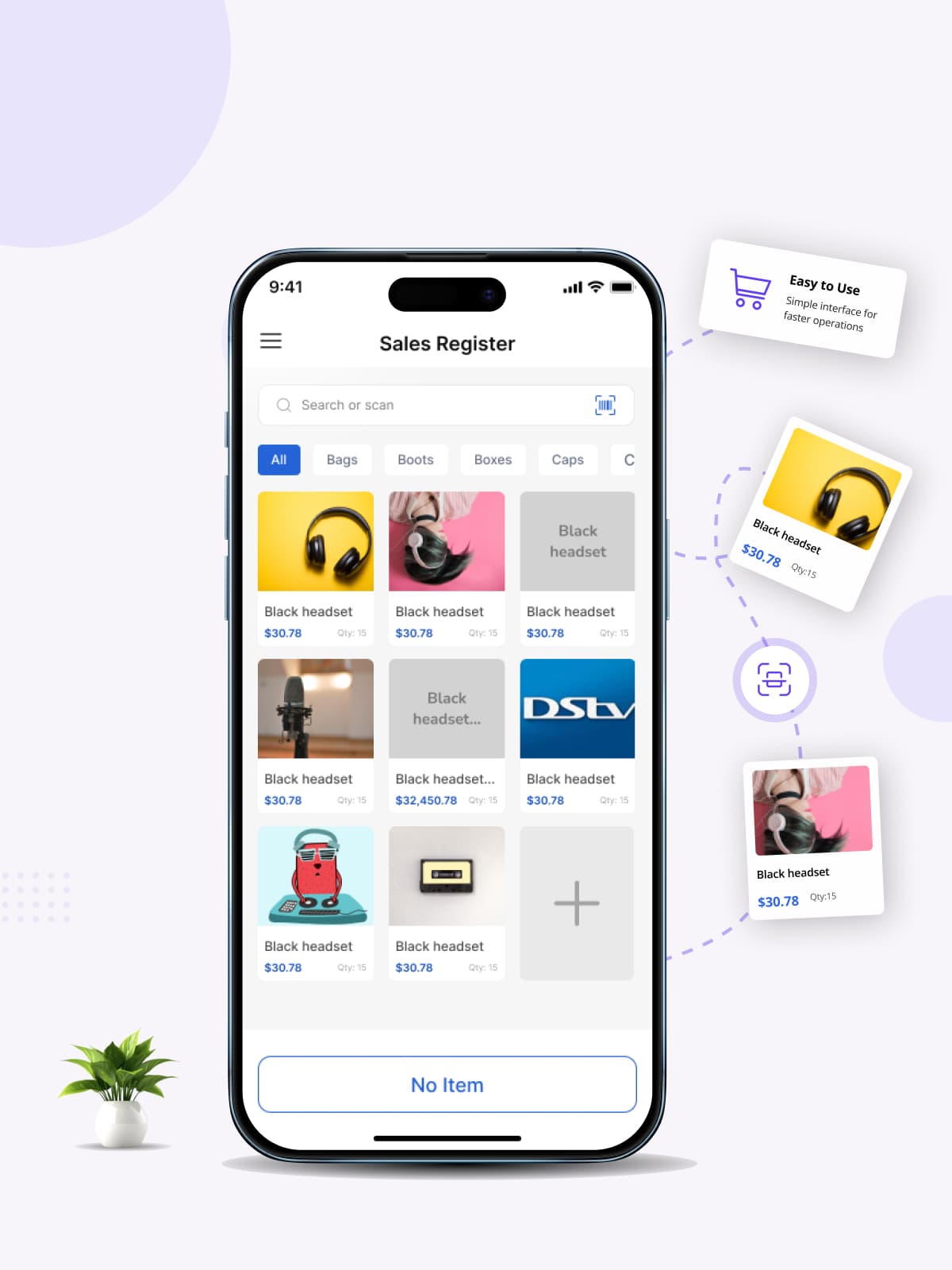
Stability as the headline claim. Multi-chain complexity behind a system that simply did not go down. $45M in assets under management in year one.
The part you never see, and the part that wakes you at 3am.
The API, database and infrastructure your app runs on: built to stay fast as you grow, built to connect to the systems you already run, and built with the bill capped before launch day.
Your cloud accounts, in your name, from week one. Your code, your data, your keys.
Products running on backends we built
What usually goes wrong
| What we hear | What it really means |
|---|---|
| “Does it allow you to set a billing limit, or is it one of those exciting cloud services where no matter what you do you are always one mistake away from losing your house?” | Nobody capped the bill. The bill that arrives when you are not looking |
| “I am outsourcing my first app and want to know who hosts all the database and images. I am guessing it is me?” | Nobody told them who owns the infrastructure. Your accounts, your keys, your data |
| “Vendor lock-in. When Google or Firebase says jump you have to say how high.” | The convenient choice became the permanent one. Firebase, Supabase, or your own |
| “Migrating data and moving to your own solution might be a problem later.” | The day-one decision was never revisited. Firebase, Supabase, or your own |
Who you’ll actually work with

The backend is where I get called in after somebody else built it. Almost always for one of two reasons: the bill went somewhere nobody expected, or the thing that worked with a thousand users stopped working with fifty thousand.
Both are decisions, not accidents. Both are made in the first two weeks, usually by somebody moving fast, and both are cheap to get right at the start and expensive to fix later.
So on this service I will tell you the boring version. Where your data lives, whose name is on the account, what it costs at ten times your current size, and what it would take to move away from us. If a developer will not answer those four questions, that is your answer.
Cost control
Cost control is part of the build, not an afterthought.
This is the number one fear in this market, and it is not irrational. Documented, public cases:
| What happened | The bill | Source |
|---|---|---|
| A runaway recursion on Google Cloud Run and Firestore. The bill went from $5,000 to $72,000 in two hours. The team did not find out until the next day. | $72,000 (later waived by Google) | The Register |
| A forgotten public API key was found and hit with 60,000+ requests, straight through a $1,400 spending cap. | $18,000+ on a $7 budget | Tom's Hardware |
| A running catalogue of the same failure: infinite loops, unbounded queues, bandwidth blowouts. | $8.8K, $36K, $46K, $100K | ServerlessHorrors |
The uncomfortable detail: in the named cases above, the client had some form of budget in place. Spending caps on cloud platforms are usually alerts, not brakes. They tell you afterwards.
So this is what we do before launch, on every backend we build:
It takes about half a day. It is the cheapest insurance in the project.
When you should not hire us
That is a genuinely good trade, and on most MVPs a managed platform is the one we recommend.
The migration is real, and we will not pretend otherwise. Developers who move off Firebase describe going through months of work migrating everything to their own backend because of constant hassle at scale. Moving later is a project, not an afternoon. That is not a reason to avoid Firebase. It is a reason to decide on purpose rather than by default, and to design the data layer so that moving is possible.
How we design for the exit from day one: all data access goes through one layer of our own, not scattered through the app. It costs a few extra days at the start, and it is the difference between a migration that takes weeks and one that takes months.
Integrations
An app that does not talk to your other systems creates work instead of saving it. Somebody always ends up copying data between screens.
| What we connect | Includes |
|---|---|
| Payments | Stripe, Razorpay, PayPal, in-app purchases. Subscription and billing logic lives on SaaS Development. |
| Business systems | CRM, ERP, accounting, inventory, HR, including the old one nobody wants to touch. |
| Identity | Social sign-in, biometrics, SSO, KYC providers. |
| Messaging | Push, email, SMS, WhatsApp. |
| Logistics and field | Shipping, tracking, mapping, device and IoT feeds. |
| AI services | Model APIs, vector search, and the usage caps that keep them from becoming a runaway bill. |
What we deliver with every integration, and what most quotes leave out:
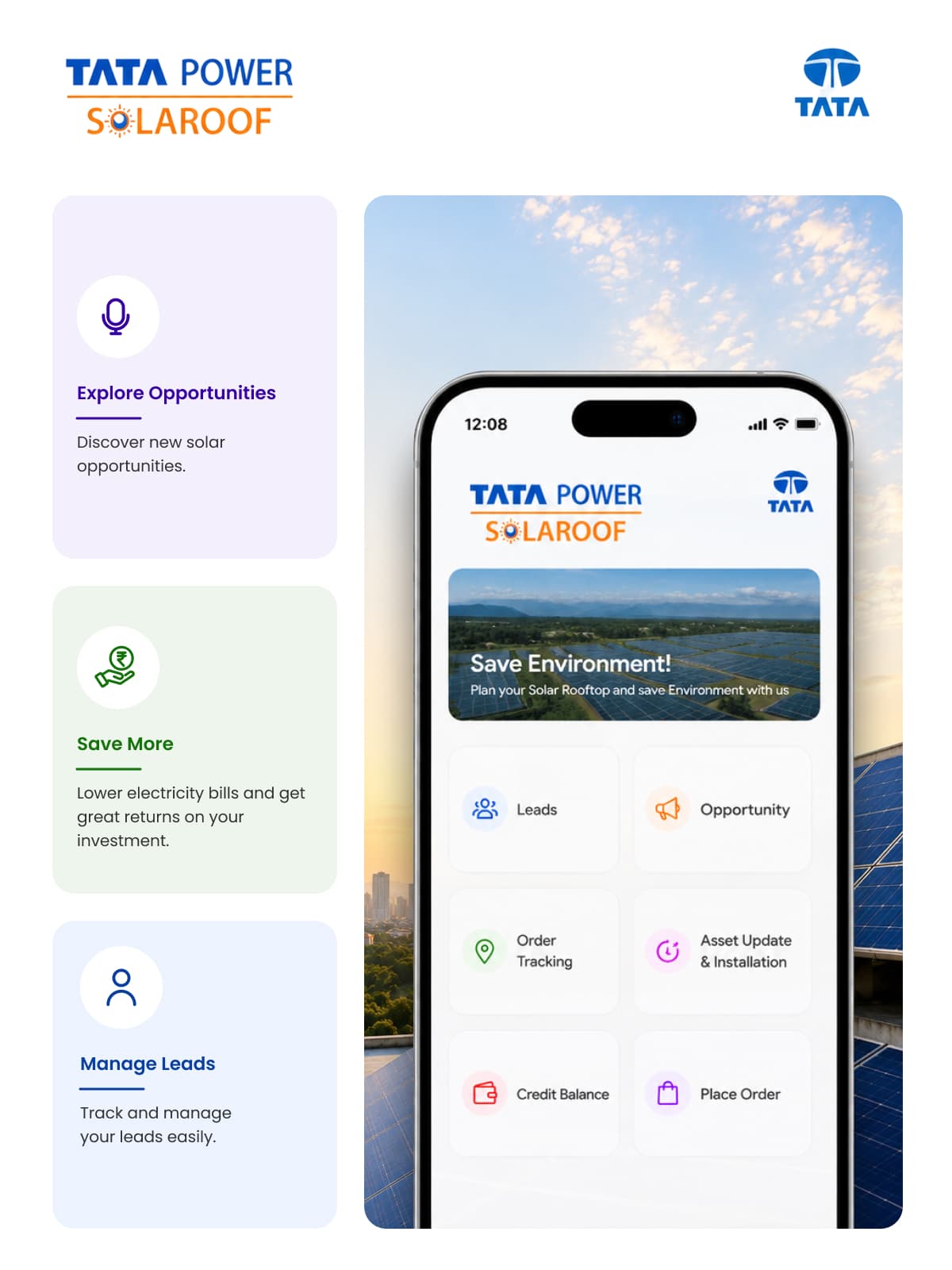
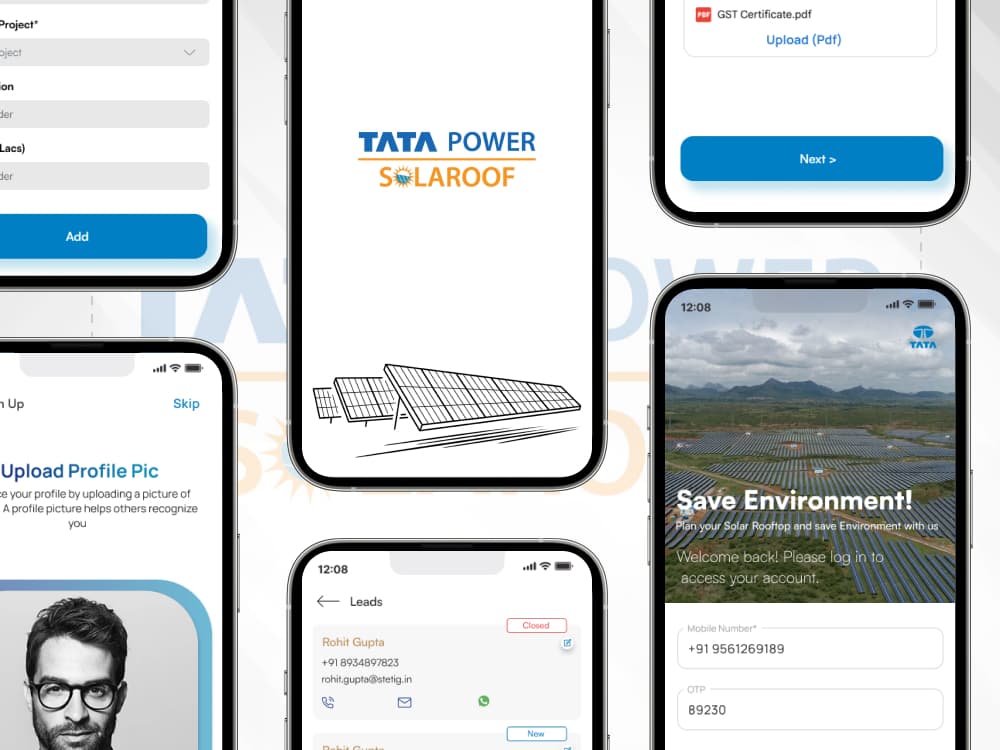
Tata Power SolaRoof, an enterprise field application integrated with the systems the client already ran. Lead-to-order 45% faster, asset tracking 99% accurate, KYC from days to minutes.
See the case studyStandards
Standards
Industries
| Industry | What we have built | Proof |
|---|---|---|
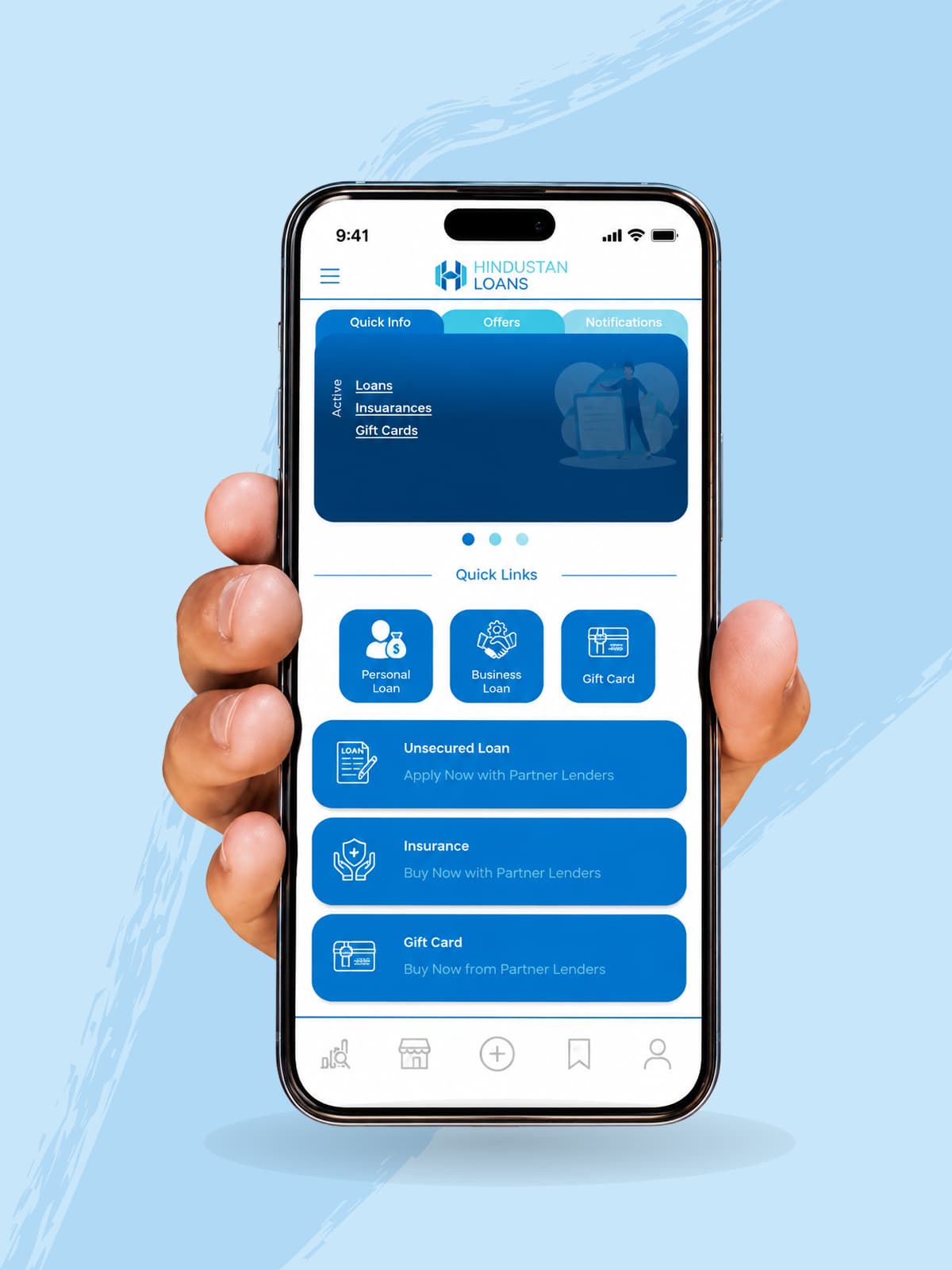
| Fintech and banking | Wallets, lending, KYC, crypto, real-time settlement | Fidex Wallet · QuickChain · Hindustan Loan |
| Legal-tech | Case data, document systems, auctions | Gavel Auctions · DigitsLaw |
| Energy and utilities | Enterprise integration, field data, asset tracking | Tata Power SolaRoof |
| Retail and POS | Inventory, multi-platform sync | Vencru POS |
| CRM and internal tools | Data-heavy systems that grew 100x | PM Fund Manager · FMSoft CRM |
| Events and community | Real-time chat and messaging at scale | Virtue Insight |
| Healthcare and wellness | Open, no case study yet | No claim made |
What sits behind the app
Screens fail politely. Backends fail at three in the morning, for everyone at once. The standards below exist because of that difference.
Process
First call
What the app has to do, and honestly whether a managed platform like Firebase would do it.
Data and integration map
Every entity, every external system, every failure case, on one page.
Architecture decision, written down
Including what it costs at 10x and what leaving us would involve.
Accounts opened in your name
Before any code. Cloud, monitoring, error reporting.
Build the API in two-week blocks
Documented as it goes, with a staging environment you can reach.
Integrations, one at a time
Each with its down-behaviour defined.
Load test and cost test
10x volume. You get the numbers and the monthly cost at that volume.
Caps, alerts, backup restore test
The spending brakes and the restore drill, both checked before handover.
Handover and runbook
Deploy, roll back, who to call, what the alerts mean.
Engagement
| Model | Best for | How it works |
|---|---|---|
| Backend review | You have a backend and you are worried about cost, speed or scale | Paid, fixed price, fixed length, credited back in full against work that follows. |
| Fixed-scope build | The data and integration map is agreed | One price, one date. |
| Two-week blocks | The product is still moving | Priced per block, stop whenever you like. |
| Monthly retainer | Ongoing scale, monitoring and integrations | See Mobile App Maintenance & Optimization. |
No minimum contract size.
You get a fixed number after the data and integration map: three to five days. Before that, anyone quoting you is quoting a guess, and on backends the guess is usually wrong by a multiple, not a percentage.
I recently collaborated with Anand and his team on creating my finance mobile application and I was thoroughly impressed. Their technical expertise ensured seamless updates, and their proactive communication kept me informed throughout the process.
Anand is a highly knowledgeable Flutter developer that provided valuable and fast help on our project.
Very responsive and hard working person. He is dedicated to his work and can certainly do all the allocated task.
Stack
APIs versioned and documented. CI/CD, staging that matches production, error monitoring, uptime and budget alerts, on every project.
FAQ
Yes, and that is deliberate. Cloud accounts are opened in your company name in week one and billed to you. We work inside your accounts. See how we work to spec.
Often, yes, and on a first version we will usually tell you to. The honest version of when it stops being the right answer is in Firebase, Supabase, or your own.
Hard instance and concurrency limits, per-key rate limiting, secret scanning, budget alerts at three thresholds, and a costed load test before launch. And the uncomfortable fact that platform spending caps are usually alerts, not brakes. See the bill that arrives when you are not looking.
No. Your accounts, your repository, your keys. Data access goes through one layer, so moving is a project of weeks rather than months. Replace us and you change one password. See how we work to spec and Firebase, Supabase, or your own.
Because it is where scale, cost and reliability are decided. Uptime, success rate under bad conditions, speed of the one operation that matters, and behaviour at 10x volume: those numbers are what you are actually buying.
Uptime, success rate under bad conditions, speed of the one operation that matters, and behaviour at 10x volume. We hand you all four in writing.
Almost certainly, including old ones. What matters is what happens when that system is down. We define that for every integration. See connecting to everything else you already run.
Versions are pinned and monitored, so it becomes a ticket rather than an outage.
Both. We pick per project and explain the choice in plain words. See standards for the API itself.
They are on our projects, because we restore one as a test before handover. An untested backup is a rumour.
You get the figure at today’s volume and at 10x volume, before launch. It is step 7 of how we work.
Yes. Documented API, runbook, and accounts already in your name. Handover is a normal ending, not a penalty.
That is a separate service, Web Apps & Admin Panels, usually scoped together with this.
The payment integration, yes. The billing logic, proration, dunning, upgrades mid-cycle, is its own hard problem and lives on SaaS Development.
A short call, an honest answer on whether we are the right team, and a scope you can hold us to.
Start a project