Tawla
Deciding how people discover before building it. Sessions ran 12 minutes against a 4-minute category average, and monthly users went 50K → 500K in the first year
Decide what to build before you pay anyone to build it.
You have an idea and three quotes that are nowhere near each other. That usually means the brief is not finished, not that one of them is lying. In one to three weeks we turn the idea into a scope, a roadmap, an architecture and a real number. You own all of it, whoever ends up building it.
Also called product discovery, the discovery phase, or a scoping workshop.
Apps we have defined and built
Most failed apps were not built badly. They were built without anyone deciding clearly enough what they were for. This is the work that happens before development: turning an idea into a defined product with a scope, a roadmap, an architecture and a real number attached to it. It is the cheapest week of the whole project and the one that decides the other twenty.
Why people come to us
You cannot plan, raise money or say yes to anyone until you have a number you trust. Every quote you have been given is different.
See the answerYou know the problem well. You do not know which parts are a product, which are features, or which come first.
See the answerYou are being asked to make architecture decisions in a language you do not speak, by people who benefit from the answer.
See the answerYou have seen projects where the list never stopped and the invoices never stopped either.
See the answerWho you are actually talking to

Founders come to me with three quotes that are miles apart and assume somebody is lying. Usually nobody is. All three are pricing a different app, because the brief allowed three different apps.
My job in these two weeks is to make your idea mean exactly one thing. After that the quotes agree with each other, and you can hold whoever builds it (us or anyone else) to a number.
I have shipped 52 products in seven years. Almost every one that ran over ran over for a decision that was never really made at the start.
What it costs
That is the question everyone actually arrives with, and it cannot be answered honestly from a paragraph and a phone call. Anyone who quotes your app before defining it is quoting an app, not your app, which is why your three quotes disagree.
At the end of the sprint you get a number per phase, built from a scope you have signed off, with the assumptions written next to it.
If the build comes in outside it, we show you exactly which assumption broke and what it cost.
| Sprint | Best for | Duration | Price |
|---|---|---|---|
| Focus | One clear product, one main user, no unusual integrations | 1 week | Price needed |
| Standard | The usual case: several user types, real integrations, a phased roadmap | 2 weeks | Price needed |
| Complex | Multi-sided products, regulated industries, enterprise systems to connect to | 3 weeks | Price needed |
Every tier is fixed price and fixed length, credited back in full against the build.
Only hard on mobile
Every generalist discovery process asks what the product does. These are the questions that decide whether it can ship at all, and they only exist on phones.
Some business models are rejected at review, not at launch. Better to find out in week one than in month six
Reversing this later is a rebuild, not a refactor
Offline is an architecture decision. Bolting it on afterwards touches everything
This sets your test matrix, and with it a meaningful share of your budget
Both platforms limit it strictly, and plenty of good ideas depend on it
Whether payments go through Apple and Google changes your unit economics before a line is written
We are a mobile product company. These are the questions we came for.
AI builds, humans decide
Almost every product now has an AI question attached. We answer it here, where it is cheap to answer: which parts genuinely benefit from AI, which are better as plain software, what data you would need, what it would cost to run every month, and what has to be true in your architecture for it to be possible later. Deciding this before development is the difference between an AI feature and an AI rebuild.
Build one. It will teach you something real, and it costs almost nothing now. It will not tell you what to build.
Across roughly 5,000 professionals, 90% now use AI at work, and 30% have little or no trust in the code it produces. AI correlates with higher throughput and, at the same time, lower delivery stability.
In a controlled trial, 16 experienced developers doing 246 real tasks were 19% slower with AI while believing they were 20% faster. Small study, but it is a measurement, not an opinion. (METR, July 2025)
We use AI coding agents every day; it is why we can build quickly. AI made building cheap. It did not make deciding cheap, and deciding is what this sprint sells.
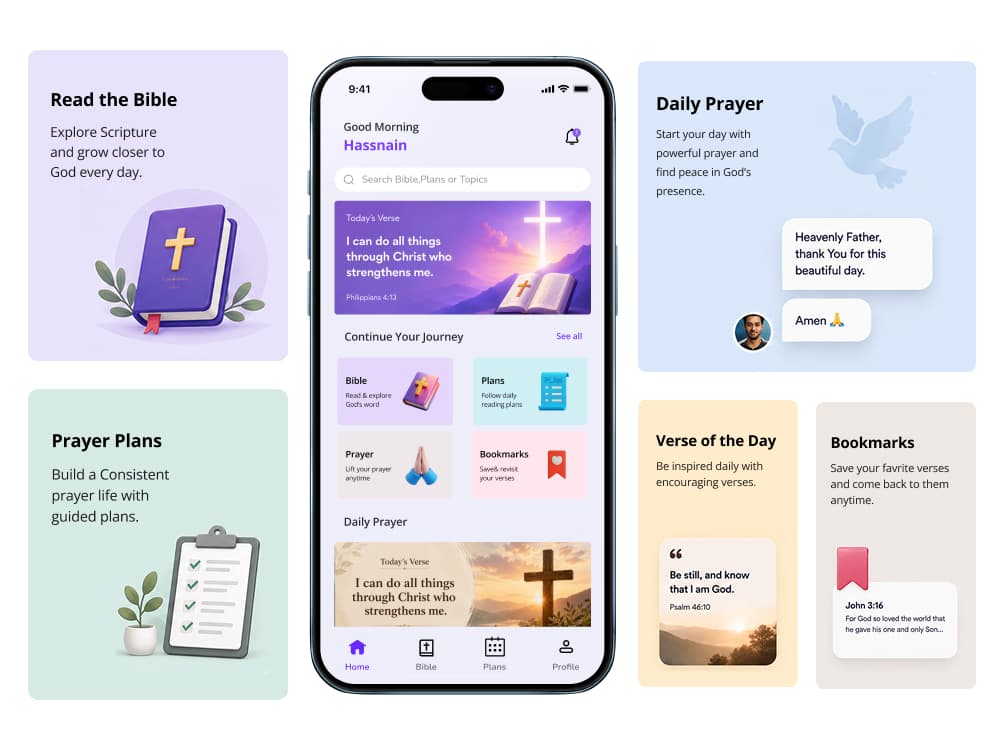
Pray the Bible: where AI belonged and how it would be paid for were decided before the build. 500,000+ downloads, 4.7+ rating, 12% subscription conversion.
See the case studyDeeper AI build work lives on AI Feature Integration & Assistants.
Deadlines on the decision
Some product decisions stopped being optional. These are current as of the date below, and they are decisions, not paperwork: each one changes what gets built.
| What changed | From when | What you have to decide now |
|---|---|---|
| EU AI Act, Article 50: transparency | 2 Aug 2026 (4-month grace to 2 Dec 2026 for products already on the market) | If your app has a chatbot or generates content, users must be told, and AI-generated output must be marked. That is a UI and architecture decision, not a policy page |
| European Accessibility Act | Applies since 28 June 2025 | Consumer apps in e-commerce, banking, e-books and more must be accessible. Exemption for services only if under 10 staff AND turnover ≤ €2m. Retrofitting accessibility costs far more than designing for it |
| US app-store age verification | Texas 1 Jan 2026, Utah and Louisiana later in 2026 | Apple’s Declared Age Range API, and parental consent re-obtained on significant app changes. It shapes your onboarding and your release process |
Checked 10 August 2026. Sources: EU AI Act implementation timeline · European Commission: European Accessibility Act · Apple: Declared Age Range API
Your risk register says which of these apply to you, what it costs to comply, and what it costs to find out later.
Before anyone writes code
Every idea arrives with twenty features attached. Definition work cuts that down to the few that carry the product, and puts a number against each one.
Where we have shipped
| Industry | Proof |
|---|---|
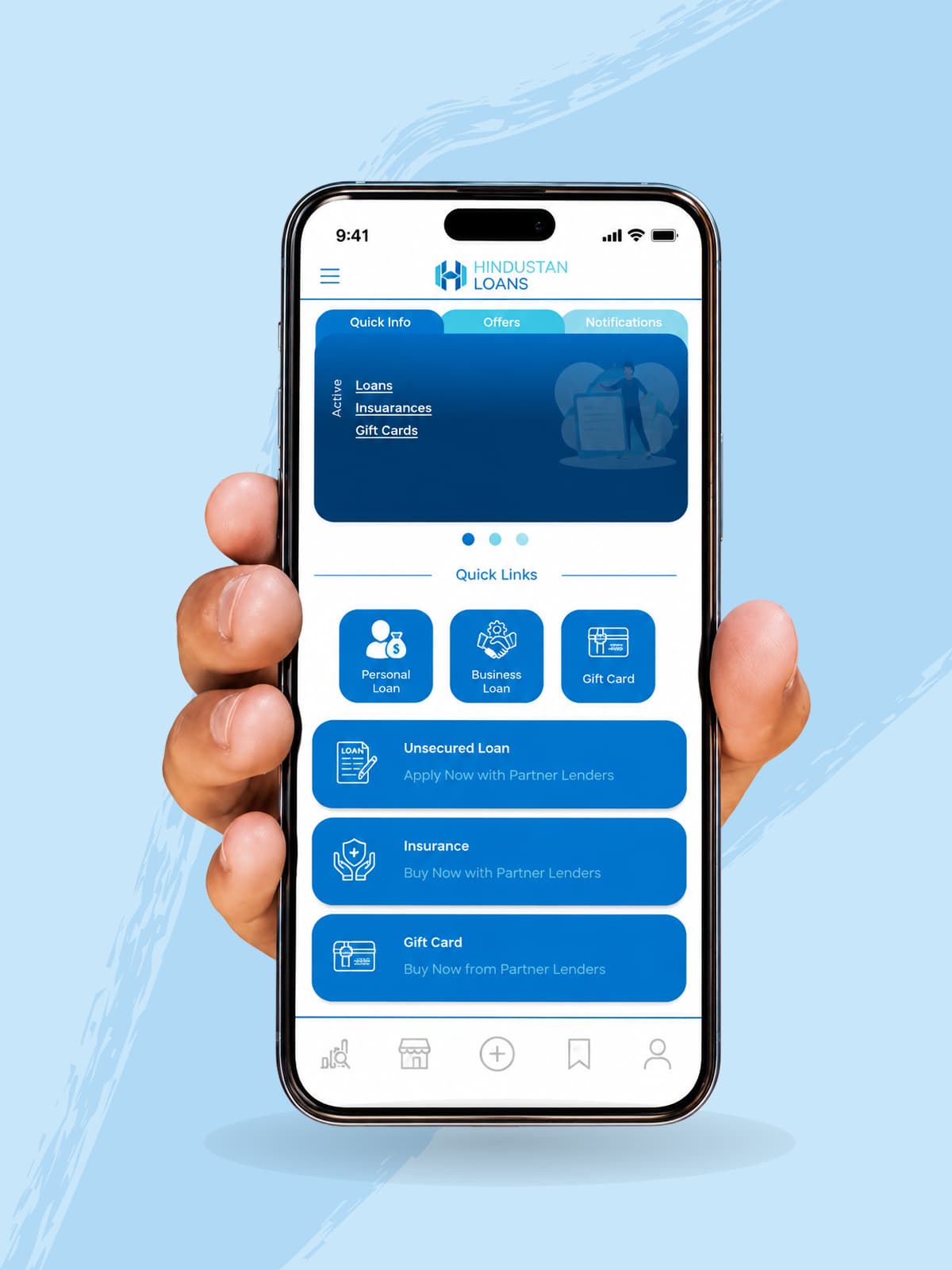
| Fintech & Banking | Hindustan Loan · Fidex Wallet · Quickchain |
| Legal-Tech | DigitsLaw · ActivePass · Gavel Auctions |
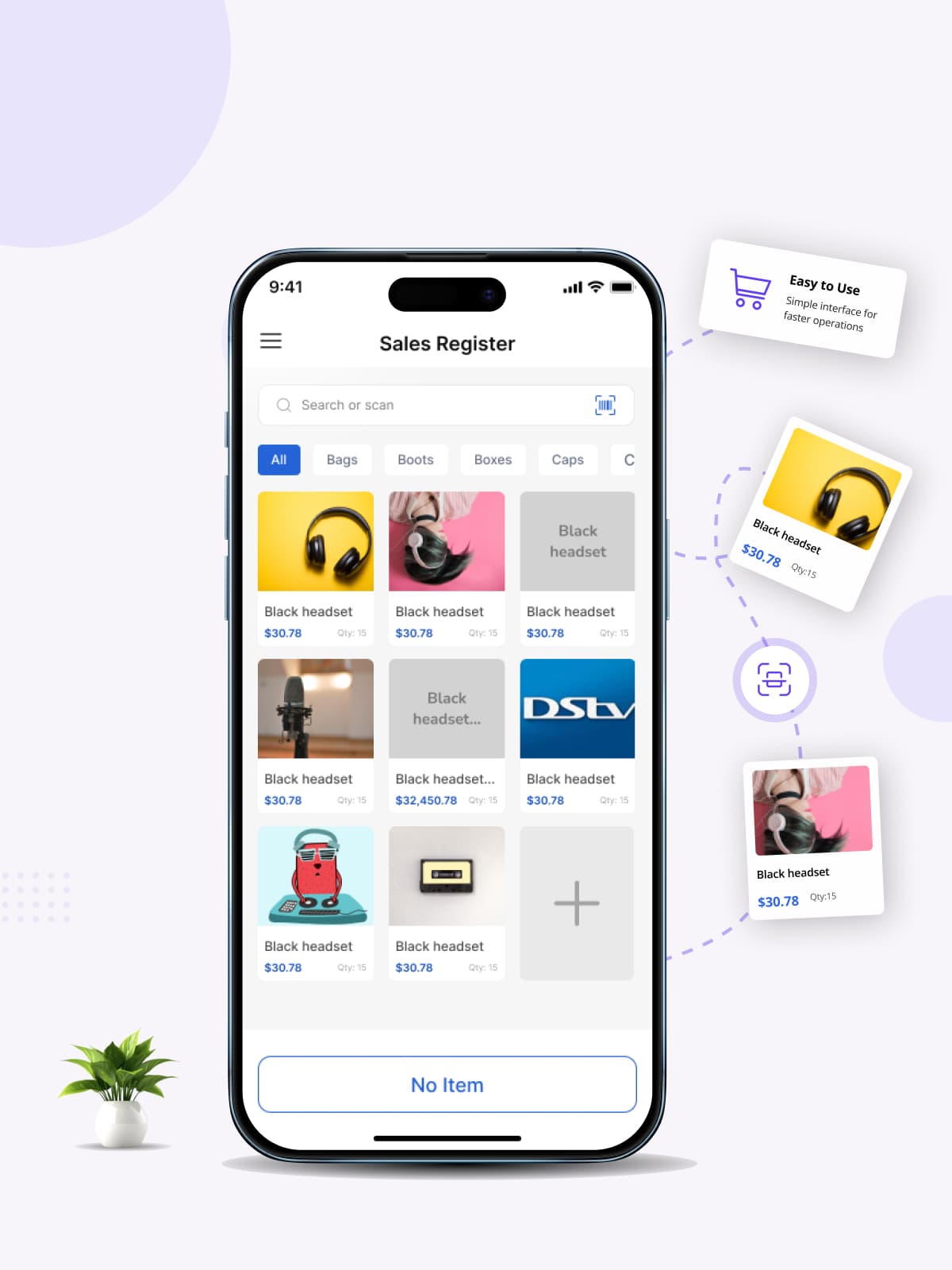
| Retail, POS & E-commerce | Vencru POS |
| Hospitality & Booking | Tawla |
| CRM, HR & Internal tools | PM Fund Manager · FMSoft CRM |
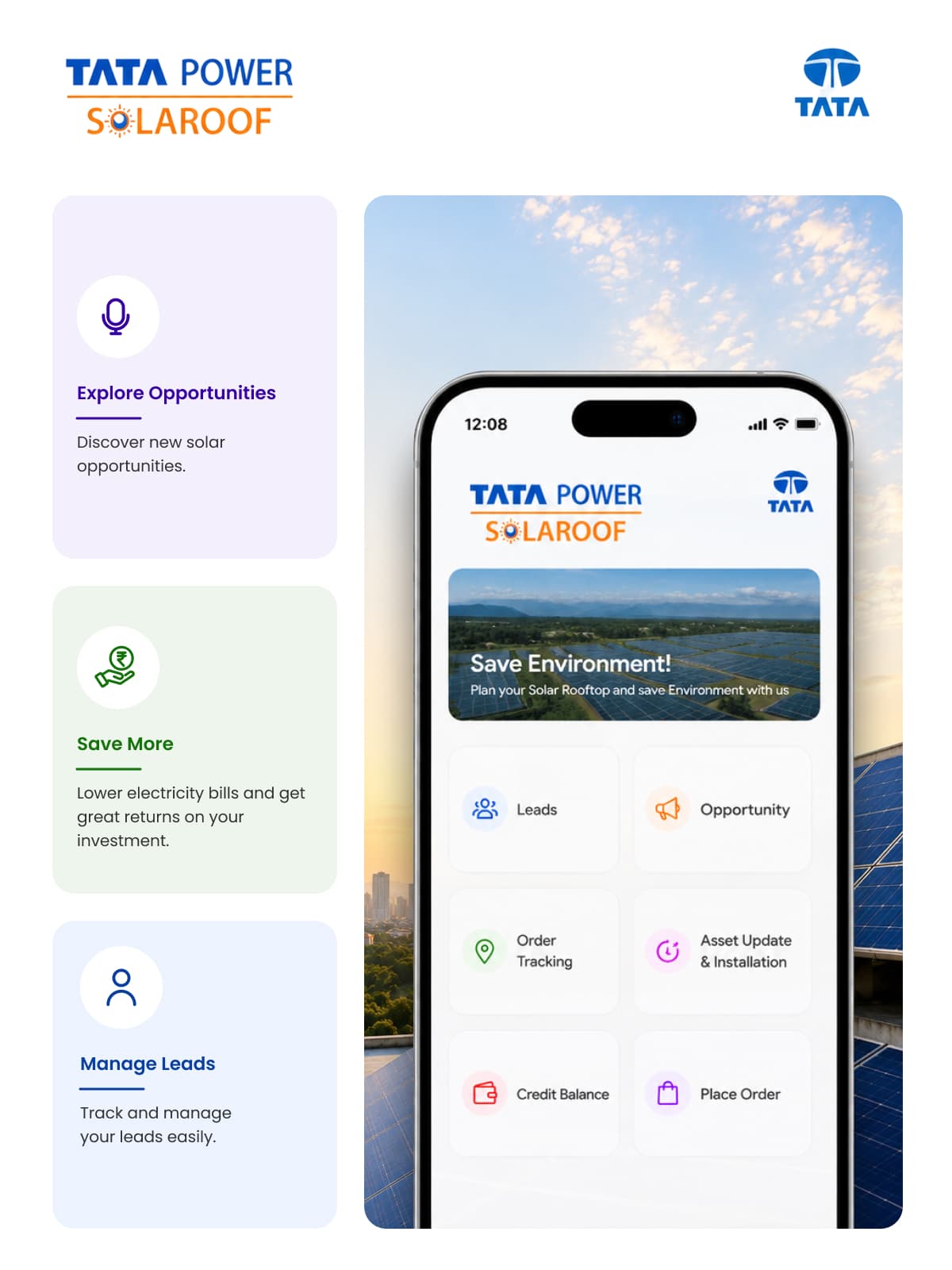
| Energy & Utilities | Tata Power SolaRoof |
| Events, Media & Community | Virtue Insight · Azad Sandesh |
| Healthcare & Wellness | We take this work on, but we do not yet have a published case study in it |
Engagement
| Model | Best for | How it is priced |
|---|---|---|
| Definition sprint | The usual road. One fixed piece of work, one package at the end | Fixed fee, fixed length: 1, 2 or 3 weeks. Comes off the build in full if you continue |
| Definition then build | You already expect to build with us and want it done properly first | Sprint, then a fixed scope and price agreed from what it produced |
| Definition then MVP | You want the smallest real version in the store fast | Rolls straight into MVP Design & Development |
| Second opinion on a definition you already have | You have a spec or a quote and want it stress-tested before you commit | Short fixed engagement, priced on what exists |
No minimum contract size. We take single sprints and multi-year builds, and we judge each on whether we can do it well.
You keep everything, whichever you choose. The package is yours on payment, written to be built from by anyone.
How you get a quote: thirty minutes on a call. We will tell you which sprint fits, including if the answer is that you already know enough and should skip straight to a build.
Project requirement understanding and end delivery is very good. Fully satisfied. 100% recommended.
Tasks were handled thoughtfully, with good attention to detail and a willingness to ask questions when clarification was needed.
He explained things clearly and was easy to get in touch.
Stack
FAQ
If you can already answer scope, architecture, cost and phasing, no. Go straight to MVP Design & Development. Most people find the middle two harder than expected.
Fixed price by sprint size: 1, 2 or 3 weeks. Price needed Whatever you pay comes off the build in full if you continue with us.
We can guess, and the guess will be wrong in both directions. Your three existing quotes disagree because the brief allows three different apps. This is how the number stops being a guess.
No, and the package is written so you do not have to. Take it to your own developers, another agency, or an investor.
You do, on payment. Document, flows, architecture, estimate: all of it.
No. We are not writing every screen in advance. We are deciding the things that are expensive to change later: scope boundary, architecture, phasing, and leaving the rest to be worked out as you build.
Not at all, and it usually saves a day. Bring it. Most founder specs are strong on features and thin on the boundary, the architecture and the phasing. Those are the parts we add.
Hours needed A few working sessions with whoever genuinely understands the business and the users. That person has to be in the room.
Build the prototype. It is cheap and it will teach you something real. It will not tell you what to build, and the data on AI-assisted work is more mixed than the marketing suggests. See Deciding where AI belongs.
Then that is what the package says, and it will be the cheapest money you ever spent. It has happened.
We publish an accuracy band rather than a promise (±20%). If a build lands outside it we show you which assumption broke.
We decide the flows, not the visual design. Screens and a design system are UI/UX Design for Mobile, and this package is what that work starts from.
Yes: where AI belongs, what data it needs, what it costs to run monthly, and what your architecture must allow. See Deciding where AI belongs.
Only if you have users there. Most apps eventually do, and it is far cheaper to leave the door open now than to fit compliance in afterwards. See Decisions that now have a legal deadline attached.
A short call, an honest answer on whether we are the right team, and a scope you can hold us to.
Start a project